Ropode AFM/DFM Disabler Problems and How to Fix Them
Most Ropode AFM/DFM disabler problems are not product defects. They are fitment errors, expectation mismatches, or a module quietly failing to arm while the owner assumes it is working. Knowing which category you are in saves a return and a lot of frustration.
This article covers the seven issues that come up most often, what causes each, and what actually resolves them.
Problem 1: The Module Does Not Seem to Do Anything
By a wide margin the most common complaint, and by a wide margin the most likely to be a fitment issue rather than a faulty unit.
AFM and DFM are different systems. Active Fuel Management ran on GM 5.3L and 6.2L V8s from roughly 2007 to 2018 and performs a straightforward switch between eight and four cylinders. Dynamic Fuel Management arrived on 2019-and-newer L84 and L87 engines and cycles through seventeen firing patterns instead. A module built only for AFM logic may have no effect whatsoever on a DFM truck.
The fix: check the product's application list against your exact model year and engine. If DFM is not named explicitly and you have a 2019 or newer vehicle, that is almost certainly your answer.
Confirming Ropode AFM/DFM Disabler Problems With a Scan Tool
Pair a Bluetooth OBD-II reader, open a live-data app, and watch the cylinder-mode parameter during steady highway cruising. If it still alternates between V8 and V4, the module is not working. If it stays locked in V8, it is — and your problem lies elsewhere.
Problem 2: It Resets Every Time You Start the Truck
Some modules disarm at key-off and require re-triggering on the next start, usually via a button on the housing. On a long commute this is a minor annoyance. On a day of short trips it becomes genuinely irritating, and it is easy to forget.
There is no fix for a module designed this way — it is a design characteristic, not a fault. The answer is to check for automatic re-arming before you buy. Models with an auto re-arm function are the ones worth paying slightly more for if you drive short distances.
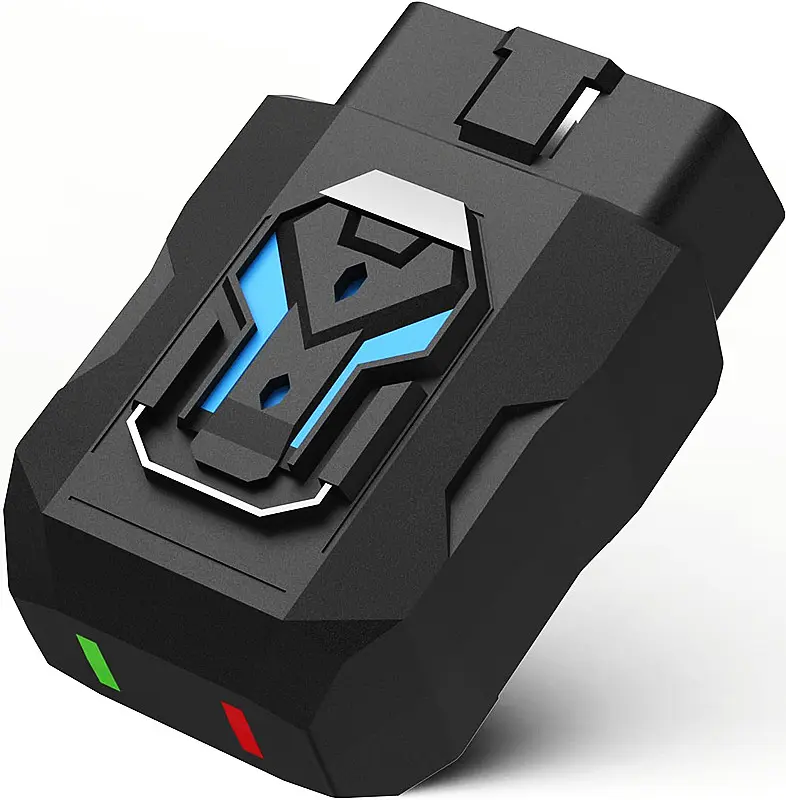
Fixes problem 2
Ropode AFM Disabler — Auto Re-Arm Option
The re-arm complaint above is a design characteristic, not a fault — the only fix is buying a module that re-engages on its own at every start. This is that model.
Buy on AmazonWe may earn commission from links in this article, at no extra cost to you.
Problem 3: Fuel Economy Dropped
This one is working as intended, and it surprises people anyway.
Cylinder deactivation exists to save fuel. Preventing it costs you that saving back. Owners typically report a drop of roughly one to two MPG on the highway, with less difference in stop-and-go driving where deactivation engages rarely anyway.
There is no fix because there is no fault. The trade is the point of the device: you are accepting a small fuel penalty to keep the deactivation hardware from cycling. If the fuel cost matters more to you than the hardware concern, this product category is not for you, and that is a legitimate conclusion.
Problem 4: It Conflicts With an Insurance Dongle or Tracker
The OBD-II port is a single connector, and telematics devices, fleet trackers, aftermarket gauges and disabler modules all want it.
Splitters are the obvious answer and they work on many vehicles, but not all. Some cause intermittent communication faults, and some telematics providers explicitly state that splitters may affect data quality or void their support.
The practical fix depends on priority. If the tracker is mandatory for insurance or employment, it wins and a tune may be the better route. If it is optional, most owners choose the module.
Problem 5: A Check Engine Light Appeared
Uncommon, but it happens. A disabler should not normally set a code, because it prevents a mode change rather than disabling a monitored component.
When a light does appear immediately after installation, unplug the module and see whether the code clears on its own after a few drive cycles. If it clears and returns only with the module fitted, that particular unit is not compatible with your vehicle regardless of what the listing claims.
If the light persists with the module removed, it was almost certainly unrelated — a coincidence of timing rather than a cause.
Ropode AFM/DFM Disabler Problems Versus Pre-Existing Faults
Owners often fit a disabler because something already felt wrong. When a code appears afterwards it is natural to blame the new part, but a truck with a developing lifter issue was going to set that code eventually. Removing the module for a few drive cycles is the cleanest way to separate the two.
Problem 6: It Did Not Fix My Lifter Tick
It was never going to. This is the most consequential misunderstanding in the whole category.
A disabler is preventive. It stops the deactivation hardware from cycling, which is the condition associated with the failure mode. It has no ability to repair a lifter that has already collapsed, a camshaft lobe that has already worn, or a misfire that is already present.
If you have an audible tick, a misfire code or a rough idle, the disabler is not your solution — a mechanical repair is. Fitting one afterwards is still reasonable as protection for the rebuilt engine, but it will not undo existing damage.
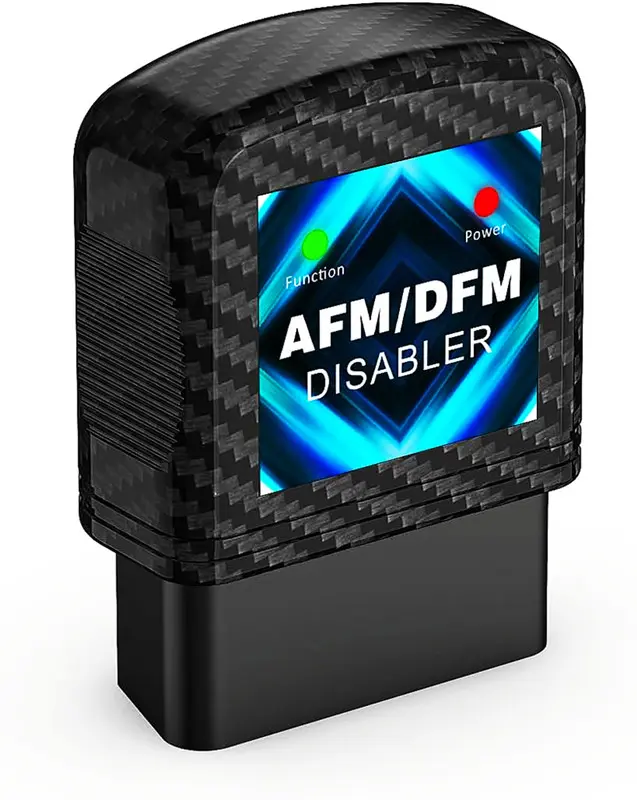
Straightforward 5.3L pick
Ropode AFM DFM Disabler — 5.3L Daily Driver Pick
A plain plug-and-forget option for a high-mileage 5.3L half-ton. Confirm your model year on the listing before ordering — fitment causes more complaints in this category than build quality does.
Buy on AmazonProblem 7: The Module Feels Loose in the Port
OBD-II connectors wear over time, particularly on high-mileage work trucks that have seen a lot of scan tool use. A loose fit can cause intermittent connection, which produces the worst kind of failure — one that works sometimes.
Check for a firm seat when installing. If the module wobbles noticeably, inspect the port pins with a flashlight for damage or spread contacts. A module with a longer connector body sometimes seats better in a worn port than a short low-profile design.
Frequently Asked Questions
Are Ropode AFM/DFM disabler problems usually the product's fault?
More often they are fitment mismatches or expectation mismatches. Confirming your exact year and engine against the application list resolves a large share of complaints before they start.
Can a disabler damage my ECU?
There is no plausible mechanism for it. These modules read and interfere with a data stream rather than writing to the calibration.
How do I know it is working without a scan tool?
You largely cannot, with confidence. A cheap Bluetooth reader is the only reliable confirmation and costs far less than the module in many cases.