Ropode AFM Disabler vs a Custom Tune: Which Should You Choose?
Once an owner decides they want cylinder deactivation switched off, the choice narrows to two realistic routes: a plug-in module, or a rewritten engine calibration. The Ropode AFM disabler vs tune question comes down to three things — what it costs, whether you can undo it, and how it affects your warranty.
Neither answer is universally correct. A truck three months into its factory warranty and a 180,000-mile work truck are not the same decision. This article lays out both options against the criteria that actually change the outcome.
What Each Option Actually Does
A plug-in module works from outside the engine control unit. It occupies the OBD-II port and interferes with the conditions the ECU needs before it will drop into four-cylinder mode. The factory calibration remains untouched. Nothing is flashed, nothing is cut, nothing is removed.
A custom tune works from inside. A tuner rewrites parameters in the ECU calibration, including the tables that govern cylinder deactivation, and flashes the modified file to the vehicle. Because the change lives in the ECU itself, there is no device in the port and no possibility of it disarming at key-off.
Ropode AFM Disabler vs Tune: The Core Difference
A module blocks a decision the ECU keeps trying to make. A tune removes the ECU's ability to make that decision at all. That distinction drives everything else — cost, reversibility, warranty exposure and how permanent the result feels.
Cost Comparison
A plug-in module is the cheaper entry by a wide margin, typically landing in the low tens of dollars to around a hundred depending on features and fitment coverage. There is no labour cost because there is no labour.
A custom tune generally runs several hundred dollars once you account for the handheld programmer or tuner's time. Some owners already own a programmer for other reasons, which changes the arithmetic considerably.
Both should be weighed against the cost they are meant to avoid. A lifter and camshaft job on a GM V8 runs well into four figures once labour is included, and that is the comparison that makes either option look reasonable.
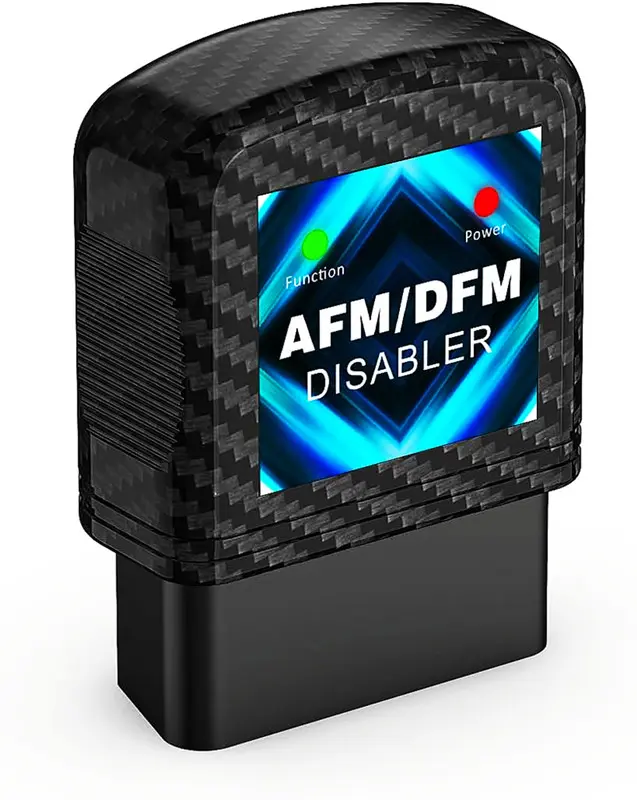
The reversible option
Ropode AFM DFM Disabler — 5.3L Daily Driver Pick
Plugs into the OBD-II port and unplugs in seconds, leaving the factory calibration untouched. This is the route that keeps a warranty conversation simple — nothing is flashed and nothing is left behind.
Buy on AmazonWe may earn commission from links in this article, at no extra cost to you.
Reversibility and Resale
This is where the two diverge most sharply.
Unplugging a module returns the vehicle to a completely factory state in about three seconds. There is no record of it having been fitted, nothing to reverse and nothing for a subsequent owner to discover. For anyone who leases, plans to sell within a few years, or simply wants the option of undoing the decision, that matters.
A tune can be reverted by flashing the stock calibration back, but the process leaves traces. Modern GM ECUs record flash counters and calibration identifiers that a dealer can read. Reverting the file does not reset those counters.
Warranty: Ropode AFM Disabler vs Tune
Under the Magnuson-Moss Warranty Act in the United States, a manufacturer cannot void your entire warranty simply because an aftermarket part is present. They must show that the part caused the failure being claimed. That protection applies in principle to both options.
In practice, the two carry different levels of friction. A module can be removed before a service visit and leaves nothing behind. A modified calibration is detectable and is far more likely to become the focus of a warranty conversation. If your truck is under factory warranty and you want the least friction possible, the module is the lower-exposure route.
This is general information rather than legal advice, and warranty terms vary. Read your own coverage documents before deciding.
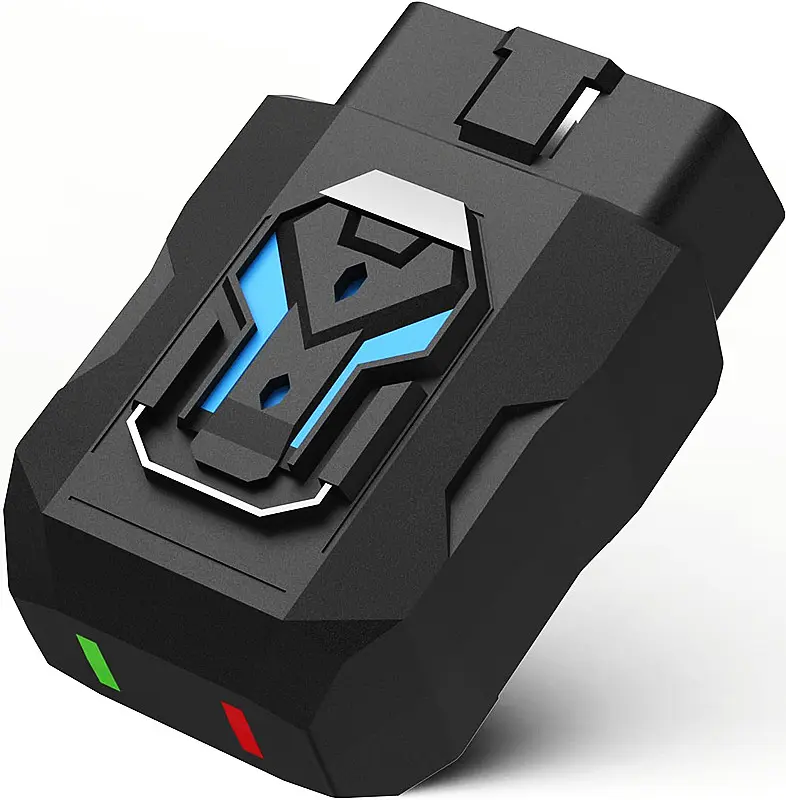
If a button press every start would bother you
Ropode AFM Disabler — Auto Re-Arm Option
Re-engages automatically at each start, which removes the one behaviour that makes owners abandon a module. Worth the difference if your driving is mostly short trips.
Buy on AmazonReliability and Day-to-Day Behaviour
A tune is invisible in daily use. It never disarms, never needs re-triggering, and does not occupy your diagnostic port. For owners who want the setting handled once and never thought about again, that is a real advantage.
A module's behaviour depends heavily on which one you buy. The better ones re-arm automatically at each start; the weaker ones require a button press every time you turn the key, which becomes tiresome fast if you drive short trips. This single characteristic drives most of the negative reviews in the category, and it is worth confirming before you order.
There is also the port question. If you run an insurance telematics dongle or a fleet tracker, a module and that device are competing for the same connector.
Emissions and Legal Considerations
Neither option removes emissions equipment. Cylinder deactivation is a fuel economy feature, and switching it off does not delete a catalytic converter, an EGR system or an oxygen sensor.
That said, rules vary considerably by state, and jurisdictions with stricter inspection regimes take a dimmer view of ECU modification than of a removable accessory. A tune alters the calibration identifier that some inspection processes read. A module does not, and can be removed before an inspection.
Check the requirements where you register the vehicle rather than assuming a national standard applies.
Which One Should You Choose?
Choose the module if your truck is under warranty, if you lease, if you expect to sell within a few years, or if you want the cheapest reversible way to stop cylinder deactivation. That covers most owners.
Choose the tune if your truck is well outside warranty, if you want the setting permanently handled with nothing in the OBD-II port, or if you are already having other calibration work done and this can ride along with it.
A reasonable middle path exists too: start with a module, confirm you actually prefer the way the truck drives without deactivation, and only then consider whether a permanent calibration change is worth the cost and the traces it leaves.
Frequently Asked Questions
Is a tune better than a Ropode AFM disabler?
Better at permanence and at not occupying the OBD-II port. Worse at reversibility, cost and warranty exposure. Which matters more depends entirely on the age and status of your truck.
Can I use both?
There is no reason to. If the calibration already has deactivation disabled, a module has nothing left to block.
Does either one fix a failed lifter?
No. Both are preventive. A lifter that has already collapsed is a mechanical repair regardless of which route you take.