Ropode AFM/DFM Disabler Review: What Owners Report After Six Months
Most short-term impressions of these modules are written within a week of installation, when the novelty is fresh and nothing has been tested by weather, short trips or a full tank cycle. A useful Ropode AFM/DFM disabler review needs a longer window.
This article summarises what owners consistently report after roughly six months of daily use, drawn from published reviews and owner discussion rather than our own bench testing. We do not run a test fleet, and we would rather say so than imply otherwise.
What the Module Reliably Delivers
The core claim holds up. Owners who verify with a scan tool consistently report that the cylinder-mode parameter stops alternating and stays locked in eight-cylinder operation. That is the product's entire job, and by six months there is little disagreement that a correctly fitted module does it.
The second consistent report concerns drivability at light throttle. Cylinder deactivation engages during exactly the conditions where a truck is cruising gently — flat highway, steady speed, light load — and the transition into and out of four-cylinder mode is perceptible to some drivers as a subtle shift in engine note or throttle response. With deactivation blocked, that transition stops happening, and owners describe the result as more consistent rather than more powerful.
Ropode AFM/DFM Disabler Review: Power Expectations
A recurring correction in owner discussion: this is not a performance part. It does not add horsepower, alter fuelling or change timing. The engine already made full power in eight-cylinder mode. What changes is how often it is in that mode, not what it produces once there.
Fuel Economy After Six Months
This is where long-term reports diverge from first-week impressions, and where averages matter more than anecdotes.
The commonly reported figure is a highway penalty of roughly one to two MPG. Owners who drive predominantly in town report smaller differences, which makes mechanical sense — deactivation engages rarely in stop-and-go traffic, so blocking it changes little.
Owners who tow report the smallest difference of all, for the same reason. Under load the ECU keeps the engine in eight-cylinder mode regardless, so a disabler has almost nothing to block.
Six months is long enough for seasonal variation to muddy this. Winter fuel blends, cold starts and more idling all reduce economy independently, and several owners initially attributed a seasonal drop to the module before comparing against the previous winter.
Winter and Short-Trip Reliability
The single most common long-term complaint has nothing to do with the engine. It concerns modules that disarm at key-off and require re-triggering at each start.
In summer, on a long commute, this is barely noticeable. Across a winter of short errands it becomes the dominant characteristic of ownership, and owners describe forgetting it regularly enough that the module spends much of its life doing nothing.
Owners who bought a model with automatic re-arming rarely mention this at all, which is the clearest signal in the whole category: this feature matters more to long-term satisfaction than almost anything else on the spec sheet.
Ropode AFM Disabler Review: Physical Durability
Six months of getting in and out of a truck means a lot of opportunities for a knee or a boot to catch the module. Reports of cracked housings and loose connectors come almost entirely from owners of longer-bodied units in vehicles with tight footwells. Low-profile designs draw fewer complaints on this point, though they can sit less securely in a worn OBD-II port.
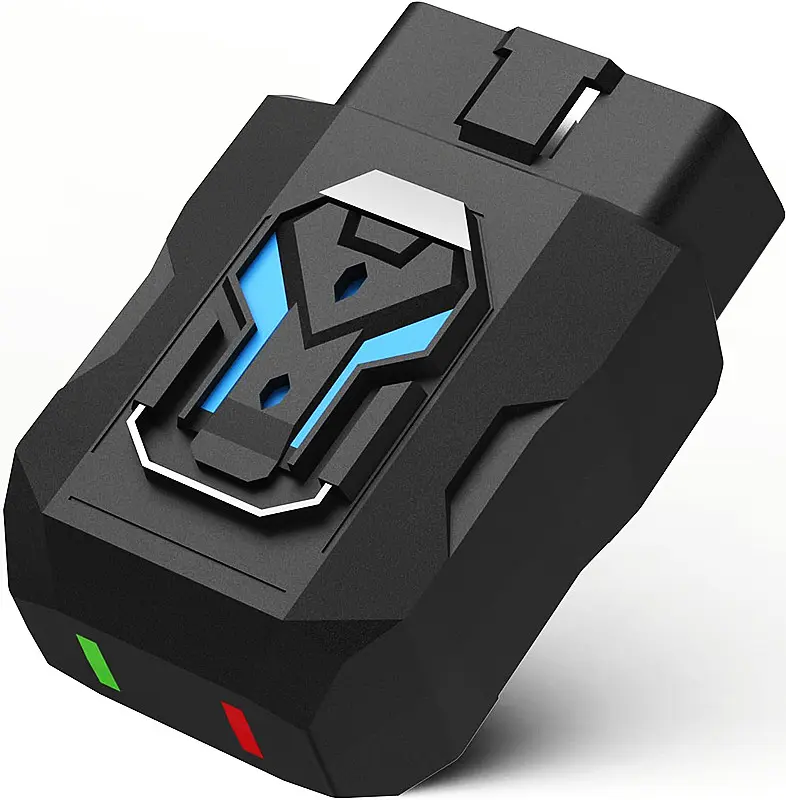
The feature that decides long-term satisfaction
Ropode AFM Disabler — Auto Re-Arm Option
The re-arm complaint above is the single most common reason owners abandon a module. This one re-engages automatically at every start, which removes the problem entirely.
Buy on AmazonWe may earn commission from links in this article, at no extra cost to you.
What Six Months Does Not Tell You
The central promise of this product category is preventive: keeping the deactivation hardware from cycling is intended to reduce the risk of the lifter failures associated with it.
Six months cannot demonstrate that. Neither can two years. Lifter failures occur across a wide mileage range and are influenced by oil change intervals, oil quality, driving pattern and simple manufacturing variation. An individual owner reporting no failure after six months has told you nothing about whether the module prevented one.
This is worth stating plainly because it is the claim most likely to be overstated in marketing copy. What can honestly be said is that the module does what it says — it stops deactivation from engaging. Whether that translates into a specific reduction in failure risk for your engine is not something any six-month report can establish.
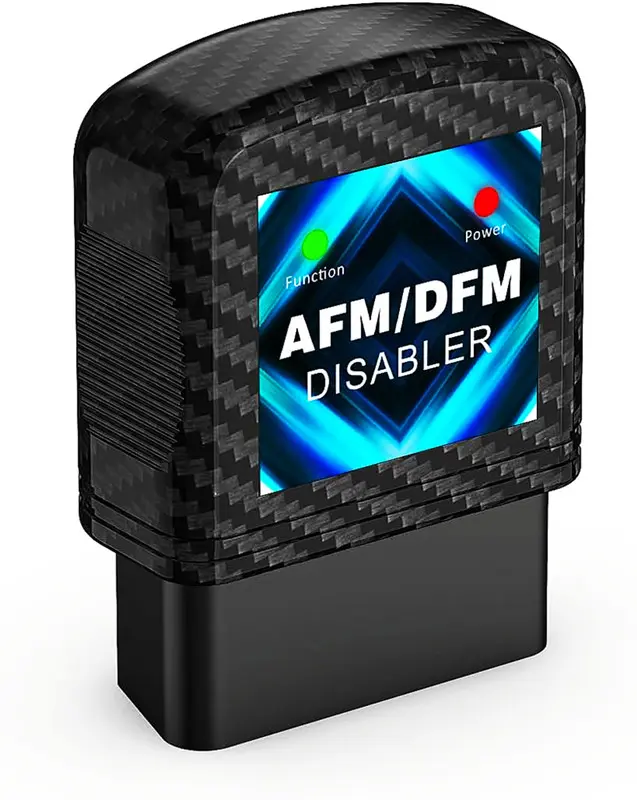
The straightforward 5.3L option
Ropode AFM DFM Disabler — 5.3L Daily Driver Pick
For owners who understood the trade before buying — a small fuel penalty in exchange for keeping the engine out of four-cylinder mode — this is the uncomplicated starting point.
Buy on AmazonWould Owners Buy It Again?
The pattern in long-term reports is reasonably consistent. Owners who understood the trade before buying — a small fuel penalty in exchange for keeping the engine out of four-cylinder mode — generally report satisfaction and say they would buy again.
Owners who expected a performance gain, a fuel economy improvement, or a fix for an existing lifter tick report disappointment. In nearly every case that disappointment traces to the expectation rather than the product.
The practical conclusion for a prospective buyer: verify fitment for your exact year and engine, choose a model that re-arms automatically, expect to lose a little fuel economy, and do not expect it to repair anything.
Frequently Asked Questions
Is this Ropode AFM/DFM disabler review based on your own testing?
No. It summarises what published owner reports consistently describe. We do not operate a test fleet and do not claim bench data we have not produced.
How much fuel economy will I actually lose?
Around one to two MPG on the highway is the commonly reported range, with less difference in town driving and less again when towing.
Does it get less effective over time?
There is no reported degradation mechanism. Where effectiveness declines, it is generally a module that stopped re-arming or a connector that worked loose, not the electronics wearing out.